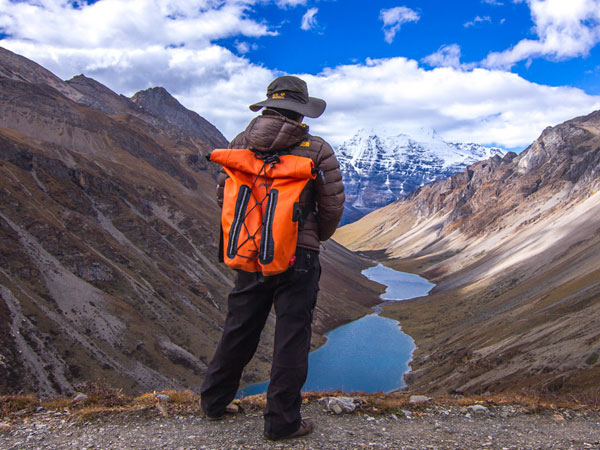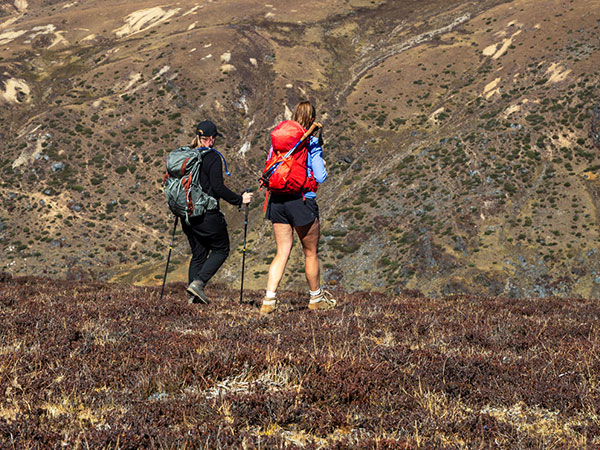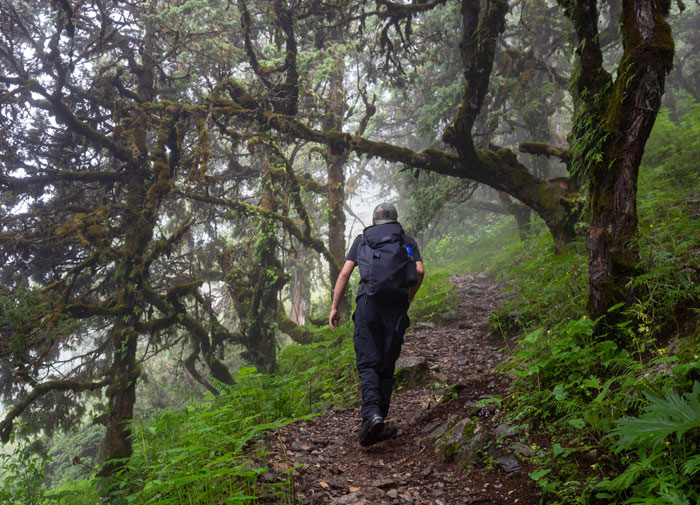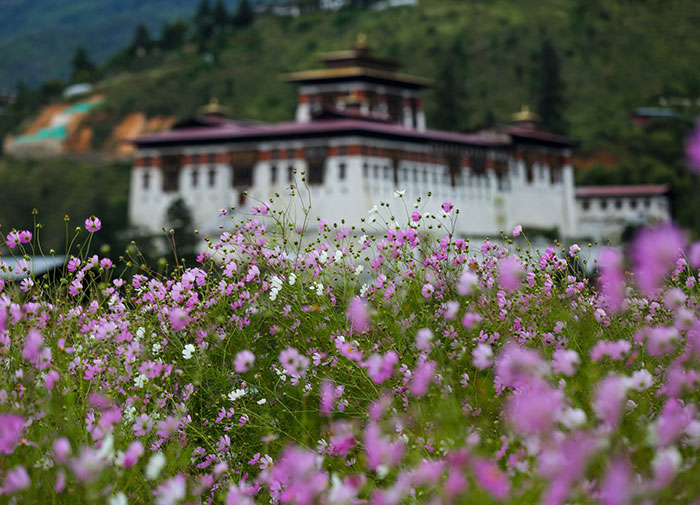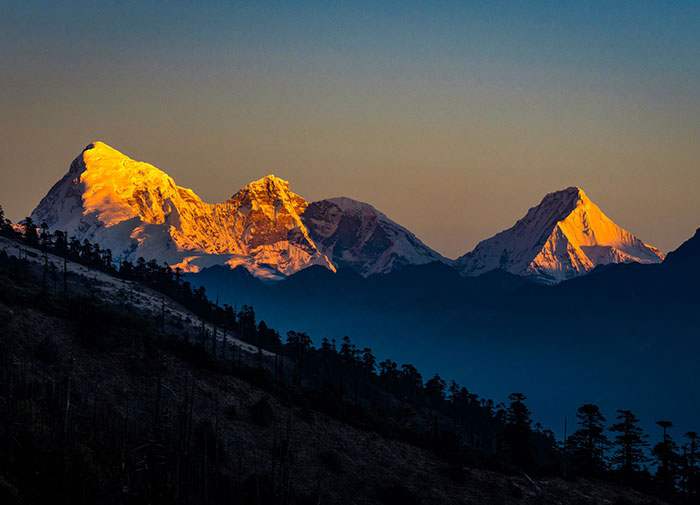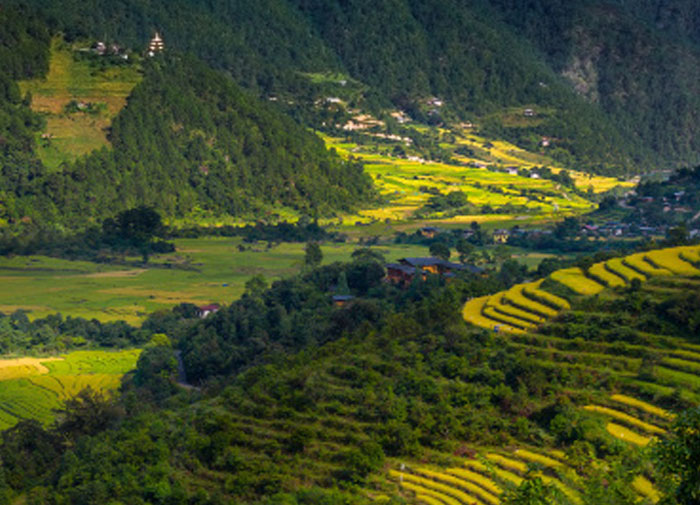
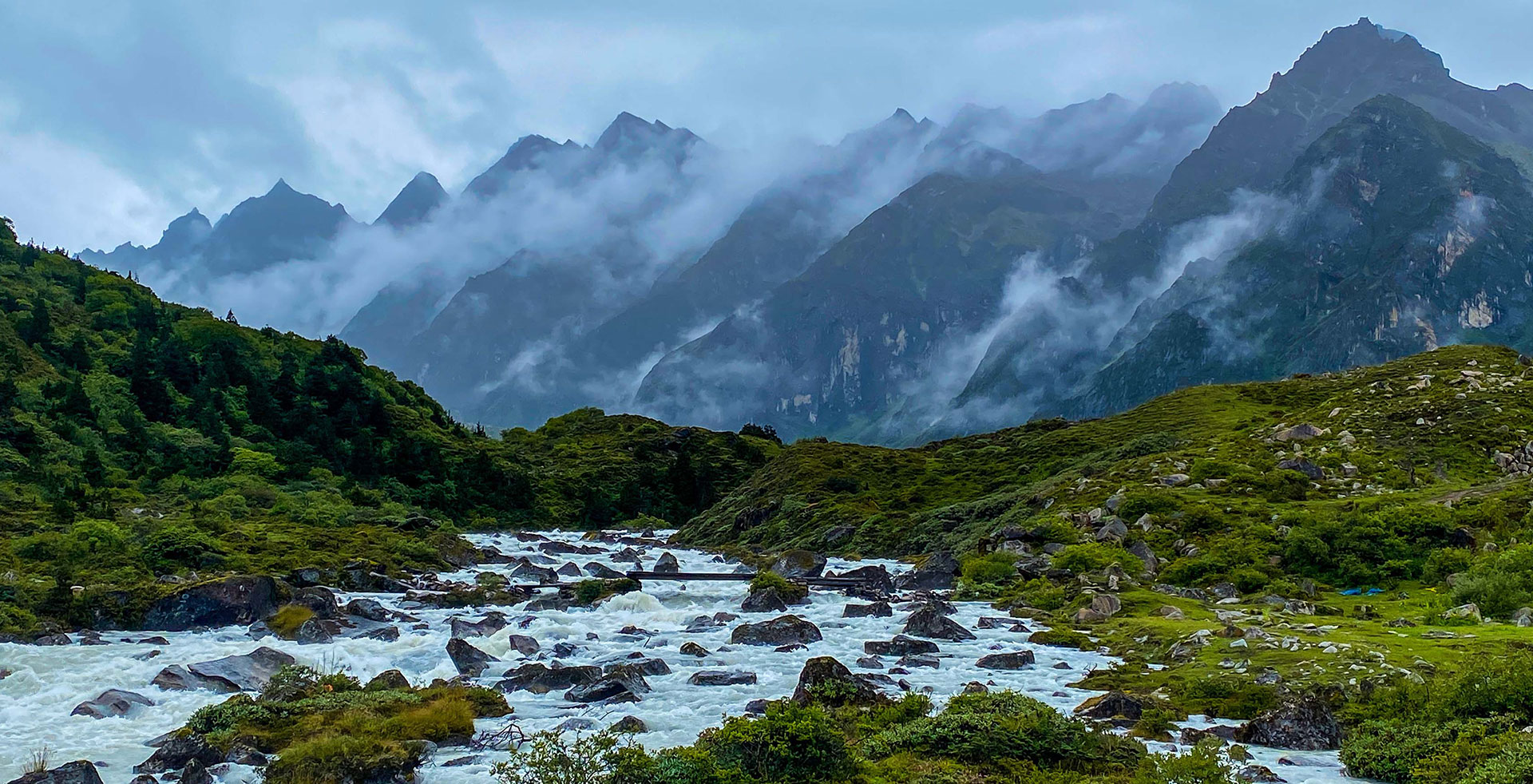
Bhutan is officially a year-round destination, yet the most favorable times to visit are spring (March-May) and autumn (September-December). These seasons offer pleasant weather, clear skies, and a lively cultural ambiance. Major festivals in Paro during spring and in Thimphu during autumn draw the highest number of visitors, adding color and vibrancy to the experience. They are also ideal for activities such as trekking, river rafting, and mountain biking.Summer, while lush and scenic with abundant greenery, is accompanied by frequent monsoon rains, which can occasionally disrupt travel plans and outdoor excursions despite otherwise mild temperatures for many prospective travelers.
The recently instituted national tourism policy mandates a Sustainable Development Fee of USD 100 per person per night, together with a visa processing charge of USD 40 per individual. Tour costs vary by operator, shaped by service standards and trip duration. Our curated packages include at minimum three star accommodation, an experienced guide, safe and comfortable transport, wholesome meals, and essential ancillary services. The total price ultimately depends upon hotel selection and the length of stay. By engaging our services, guests may choose from a wide portfolio of packages, with three star lodging as the baseline, ensuring a refined travel experience with assured possibilities for thoughtful upgrades when so desired.
Arranging a tour to Bhutan is a straightforward and efficient process. Travelers begin by sharing their preferences, including travel interests, duration of stay, chosen itinerary, hotel category, group size, and intended travel dates. Based on these details, a tailored itinerary is prepared for review. Upon confirmation, full payment of the tour cost is required. Following receipt of a valid passport copy, the operator proceeds with visa processing, along with securing hotel reservations, meals, transportation, and a licensed guide. It is advisable to confirm bookings at least one month in advance to ensure availability, particularly during peak travel seasons when demand for accommodations and flights is high.
Except for citizens of India, Bangladesh, and the Maldives, all foreign nationals are required to obtain a valid visa prior to visiting Bhutan. The visa is issued from Thimphu and is granted only to travelers who have confirmed their journey through a licensed Bhutanese tour operator. For eligible regional visitors from India, Bangladesh, and the Maldives, an e-permit is provided upon payment of the Sustainable Development Fee, currently Nu. 1,200 per person per night.
Authorized tour operators, such as Druk Chhoethuen Adventure, facilitate the visa application process on behalf of guests. This requires submission of passport details along with full settlement of tour costs, including the daily SDF of USD 100 per person per night and operational charges. The visa approval process generally takes three to four working days. A one-time visa fee of USD 40 is applicable and remains valid for three months from the date of issuance.
Extensions of stay are permissible, subject to payment of the applicable daily Sustainable Development Fee for the additional duration.
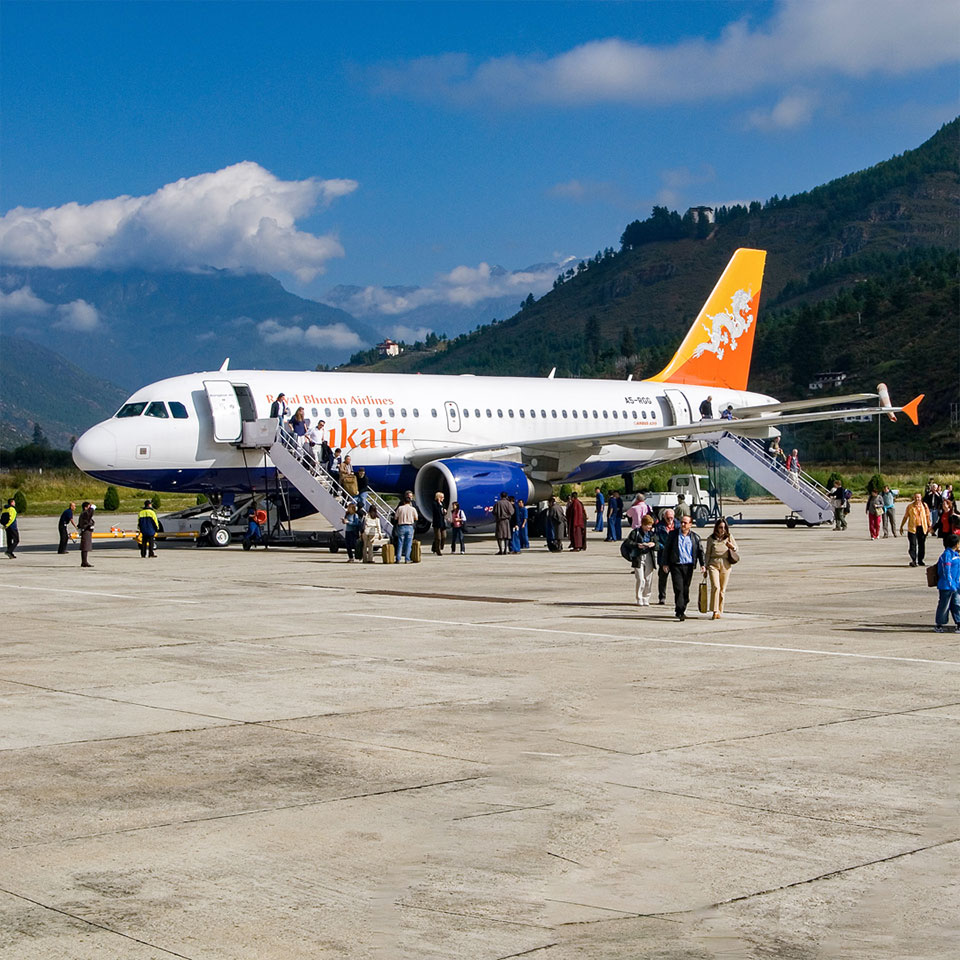
Bhutan enjoys convenient air connectivity with several prominent regional hubs, including Delhi, Kolkata, Bodh Gaya, Bagdogra, and Guwahati in Assam, as well as Kathmandu, Dhaka, Bangkok, and Singapore. These routes are serviced by the Kingdom's national carriers, Druk Air and Bhutan Airlines, ensuring reliable and efficient access for international travelers. The flights, often renowned for their scenic Himalayan vistas, form an integral part of the Bhutanese travel experience.
In addition to air travel, Bhutan may also be accessed overland via its southern frontier. The border town of Phuntsholing serves as a principal gateway, particularly for travelers entering from India. This route offers a gradual and immersive transition into Bhutan's distinct cultural and natural landscape.
The nearest Indian airport is Bagdogra in West Bengal, located approximately 170 kilometers from Phuntsholing. The journey by road typically takes around three hours, providing a practical and well-connected alternative for visitors.
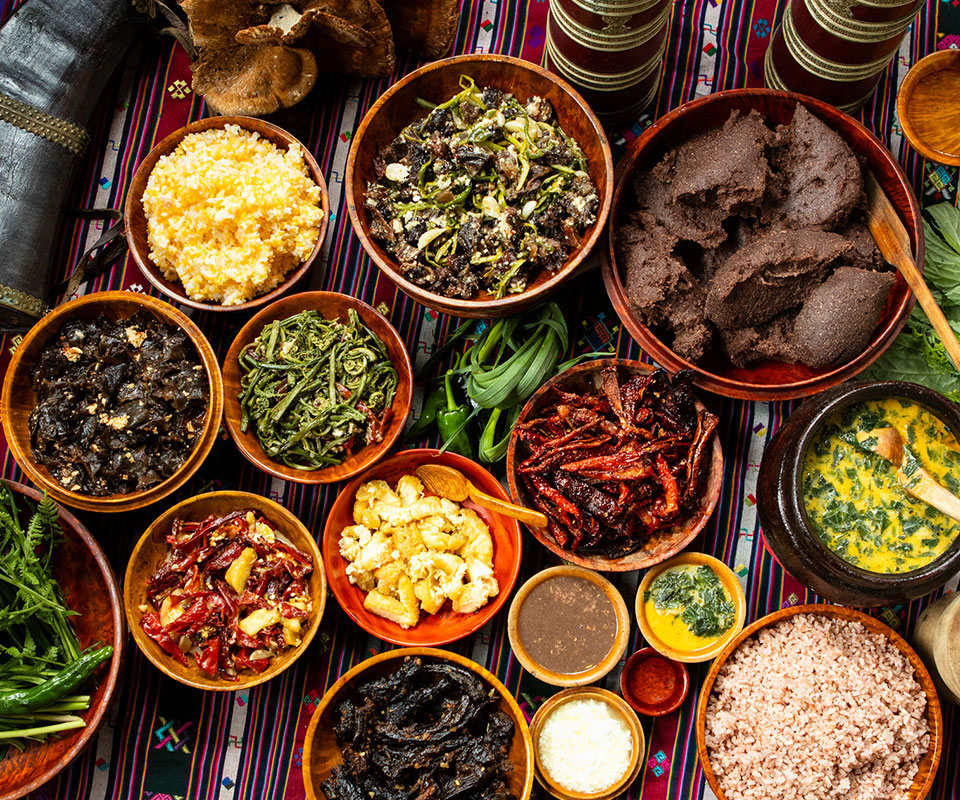
Bhutan's hospitality sector offers a diverse culinary landscape, blending local delicacies with an array of international cuisines distinguished by distinctive flavours and textures. While traditional Bhutanese cuisine tends to be relatively simple, often centred on rice accompanied by spicy chilli and cheese-based curries prepared from seasonal vegetables, dried produce, and meats, it remains deeply authentic. Among these, Ema Datshi-chillies cooked with cheese-stands as the nation's most iconic dish and an essential experience for visitors. In many hotels and restaurants, buffet-style menus feature mixed cuisines. Travellers are also encouraged to explore urban eateries offering Korean, Indian, Thai, American, Nepali, and Tibetan fare.
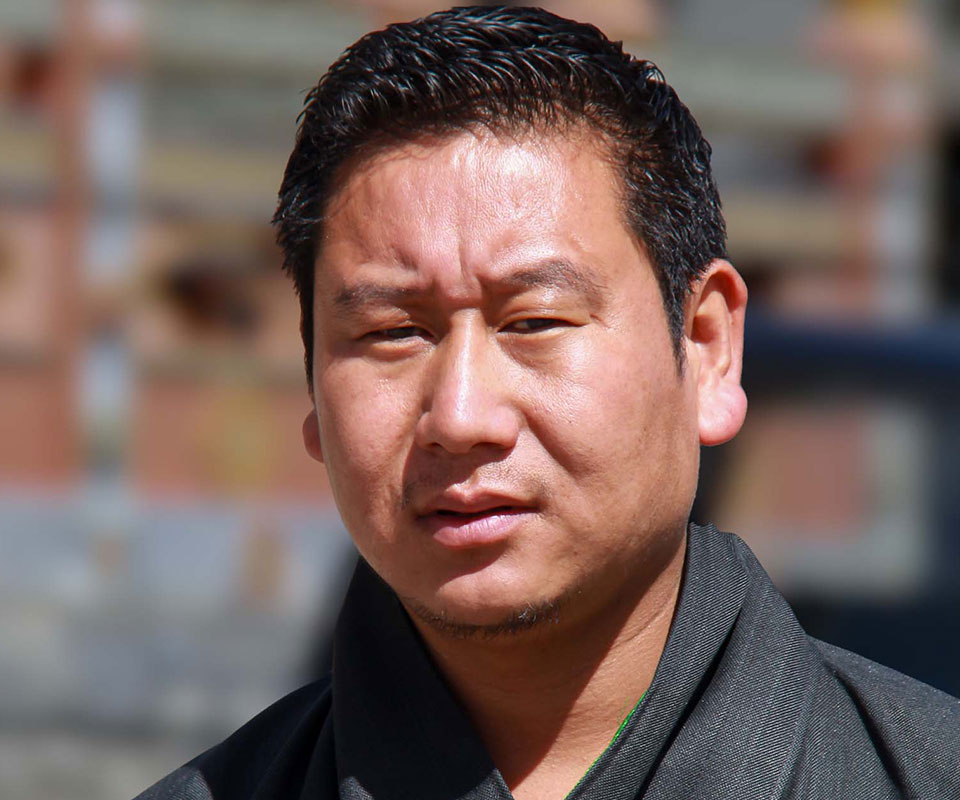
In alignment with Bhutan's sustainable tourism framework, all tours and adventure activities must be escorted by certified local guides to ensure high-quality service, meaningful tourist engagement, and the safeguarding of the country's pristine environment and rich cultural heritage. These guides, licensed by the Tourism Council of Bhutan, operate primarily in English, while trekking expeditions are led by experienced professionals to ensure safe and memorable journeys. Unlicensed guiding is considered unethical and subject to legal action. Additionally, multilingual guide services are available in several foreign languages, though at an additional cost borne by travelers, reinforcing both inclusivity and responsible tourism practices.
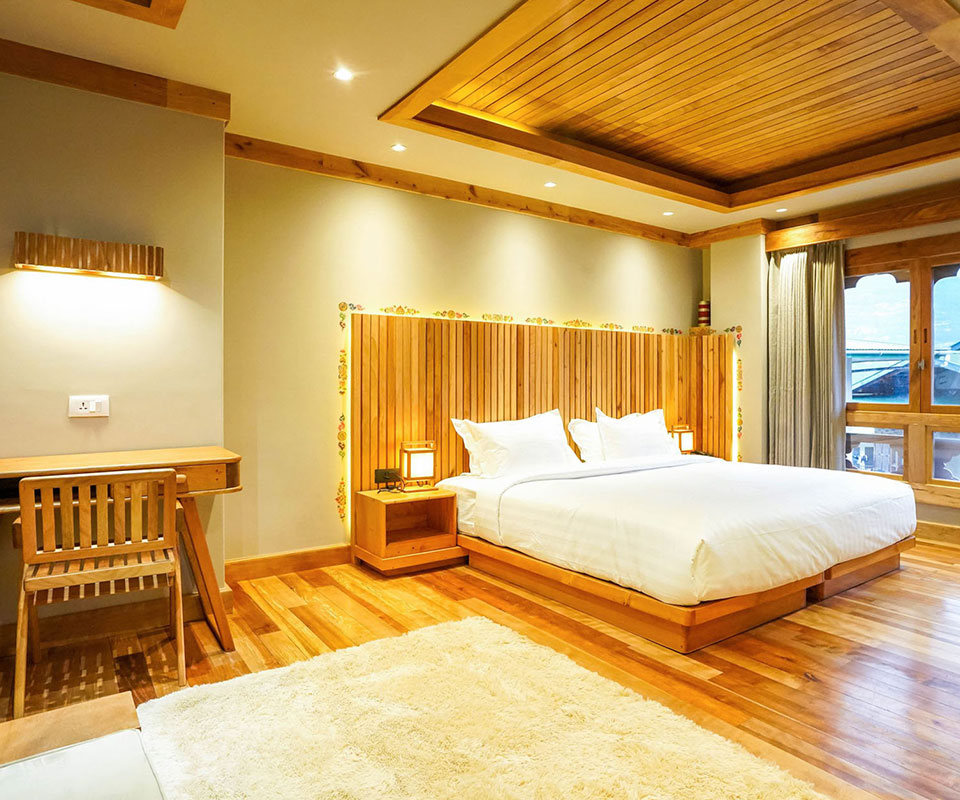
Hotels and farmhouses are the most popular accommodation options for tourists in Bhutan, with homestays available upon request. In recent years, Bhutan's hospitality sector has undergone a significant transformation in choice and service quality. A minimum three-star standard is ensured under Tourism Council requirements, alongside luxury, tourist, and budget hotels across Paro, Thimphu, Punakha, Trongsa, and Bumthang. Most properties offer modern amenities and refined hospitality. Farmhouse stays provide cultural immersion, featuring traditional dining and hot stone baths, while trekking tours rely on guided camping supported by experienced crews ensuring comfort and care throughout the journey in Bhutan always assured hospitality.
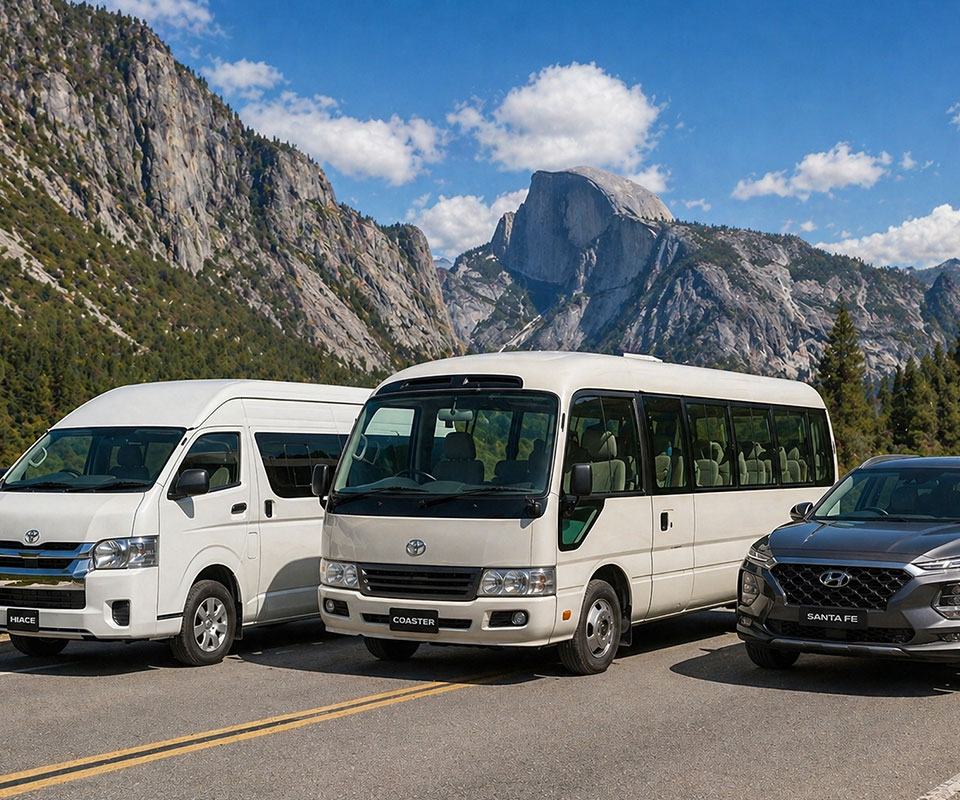
Transportation across Bhutan's tourism circuits is primarily conducted by motor vehicles traversing a well-developed national road network linking destinations. An optional domestic flight between Paro and Bumthang, operated by Druk Air thrice weekly, serves time-conscious travellers and mountain-flight enthusiasts. The road network is well maintained, with a two-lane highway stretching east-west, though mountainous terrain limits speeds to below 40 km/h. Tour operators use approved SUVs, Hiace vans and Coaster buses with air-conditioning and heating, as outdated vehicles are strictly prohibited. Trekking journeys are undertaken on foot, with horses used in lower regions and yaks in high alpine zones conditions vary.